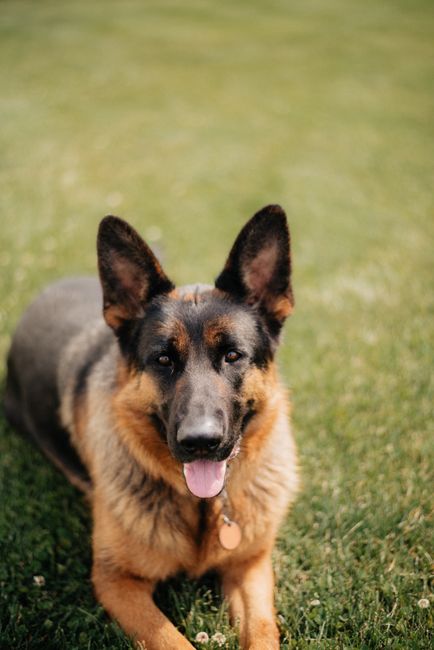
German Shepherd Nutrition Guide
What you feed a German Shepherd affects coat quality, joint health, weight, energy, and lifespan. Here’s a science-based feeding guide.
Daily Calorie Needs
An adult German Shepherd typically needs 3–4 cups daily of high-quality kibble per day, split into 2 meals. Active or working dogs may need 25% more; senior or inactive dogs need 15% less. Use the food’s feeding chart as a starting point, then adjust based on body condition.
What to Look For in Food
- First ingredient: named animal protein (chicken, beef, lamb)
- Protein content: 22%+ for adults, 28%+ for puppies
- Fat: 8–18% (higher for active dogs)
- AAFCO statement: ‘complete and balanced for [life stage]’
- No: vague terms like ‘meat by-product,’ artificial colors
Wet, Dry, Raw, or Home-Cooked?
- Dry kibble: most convenient, good dental benefits
- Wet: higher palatability, hydration
- Raw: debated; consult a vet nutritionist if going this route
- Home-cooked: only with a balanced recipe from a veterinary nutritionist
Mixing wet and dry is fine for most German Shepherds.
Foods to Avoid
Toxic: chocolate, grapes/raisins, onions, garlic, xylitol, macadamia nuts, alcohol. Unhealthy: table scraps, fatty trimmings, salty snacks. The German Shepherd can develop pancreatitis from high-fat human food.
Supplements
Most healthy German Shepherds on a complete food don’t need supplements. Exceptions: omega-3 fish oil (coat/joints), joint support (large breeds at 5+), and probiotics (during GI upset). Always check with your vet first.