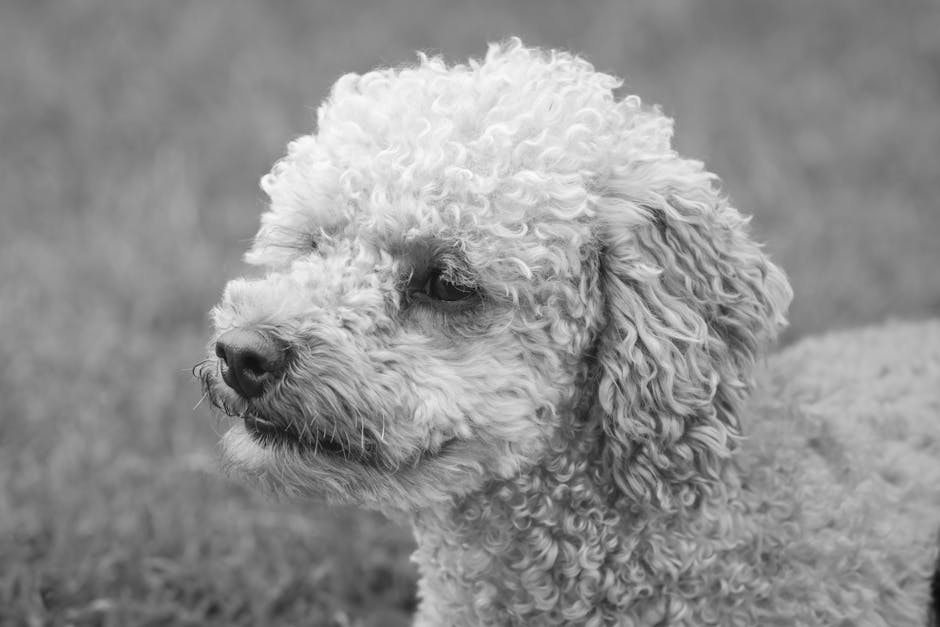
Poodle Health Issues
Every breed has predictable health problems. For the Poodle, the most common conditions are listed below — with what to look for and what to do.
1. Hip Dysplasia (Standard)
This condition appears in Poodle populations at higher rates than in mixed-breed dogs. Early signs vary, but most owners notice changes in movement, appetite, energy, or coat. Annual vet exams catch most issues before they become serious; ask your vet about breed-specific screening tests for Poodles.
2. Progressive Retinal Atrophy
This condition appears in Poodle populations at higher rates than in mixed-breed dogs. Early signs vary, but most owners notice changes in movement, appetite, energy, or coat. Annual vet exams catch most issues before they become serious; ask your vet about breed-specific screening tests for Poodles.
3. Addison’S Disease
This condition appears in Poodle populations at higher rates than in mixed-breed dogs. Early signs vary, but most owners notice changes in movement, appetite, energy, or coat. Annual vet exams catch most issues before they become serious; ask your vet about breed-specific screening tests for Poodles.
4. Bloat/Gdv (Standard)
This condition appears in Poodle populations at higher rates than in mixed-breed dogs. Early signs vary, but most owners notice changes in movement, appetite, energy, or coat. Annual vet exams catch most issues before they become serious; ask your vet about breed-specific screening tests for Poodles.
5. Sebaceous Adenitis
This condition appears in Poodle populations at higher rates than in mixed-breed dogs. Early signs vary, but most owners notice changes in movement, appetite, energy, or coat. Annual vet exams catch most issues before they become serious; ask your vet about breed-specific screening tests for Poodles.
Reducing Risk
Buy from breeders who health-test their breeding pairs. Maintain a healthy weight (extra pounds worsen joint issues), feed an age-appropriate diet, and keep up with annual bloodwork starting at age 6. For the Poodle specifically, watch for hip dysplasia (standard) as the highest-priority concern.
When to See a Vet Immediately
Sudden lethargy, vomiting that won’t stop, distended abdomen (especially in deep-chested breeds), inability to urinate, pale gums, or collapse are emergencies. Don’t wait until morning — find a 24-hour clinic.