Boxer Training Guide
Training a Boxer successfully comes down to consistency, positive reinforcement, and understanding the breed’s drive. Moderate. Bright and willing but can be goofy and distracted — responds well to play-based training.
How Trainable Is the Boxer?
Moderate. Bright and willing but can be goofy and distracted — responds well to play-based training. This means short, frequent sessions (5–10 minutes, 3–5 times per day) work better than long ones. Reward-based training using small, high-value treats produces faster results than corrections.
Starting Points — Puppies
Begin name recognition, crate training, and basic potty routines from day one. Enroll in a puppy socialization class between 8–16 weeks. Early exposure to people, sounds, surfaces, and other dogs prevents reactivity later.
Core Commands
Teach in this order: sit, look-at-me, recall, down, leave-it, place. Each command should be reliable in a quiet room before you add distractions. The Boxer learns commands quickly but generalizing them to new environments takes practice.
Leash Manners
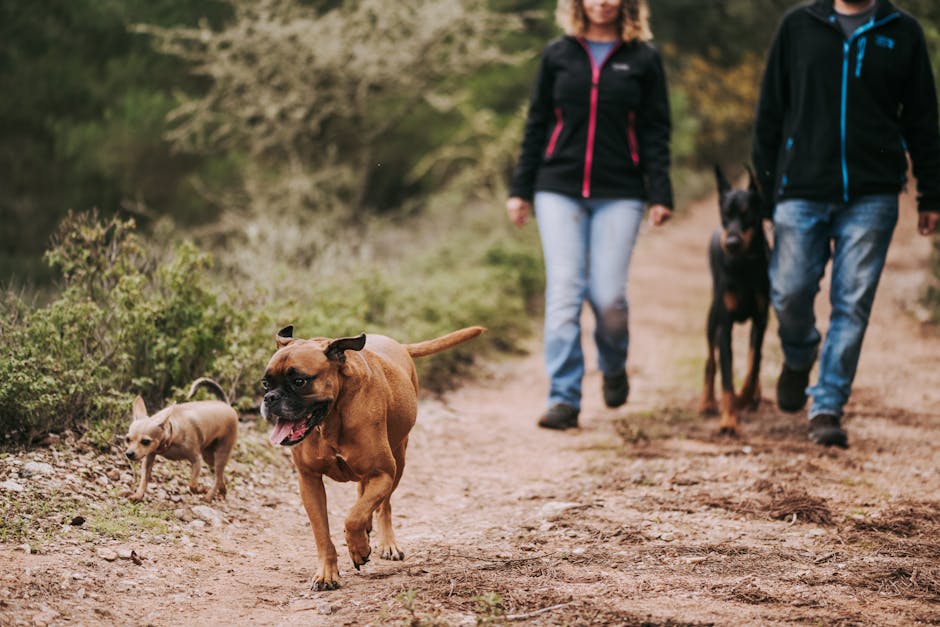
Loose-leash walking is hard with most breeds and the Boxer is no exception. Use a front-clip harness, reward eye contact, and stop walking when the leash tightens. Daily 10-minute leash drills speed up progress.
Common Training Challenges
Expect occasional stubbornness, especially during adolescence (6–18 months). The Boxer’s key traits — playful, bright, active — can work for or against you. Channel drive with structured activities rather than fighting it.
When to Get Help
Hire a certified trainer if you see resource guarding, fear-based reactivity, or aggression toward people. Don’t wait — early intervention is dramatically more effective than retraining adult behavior.