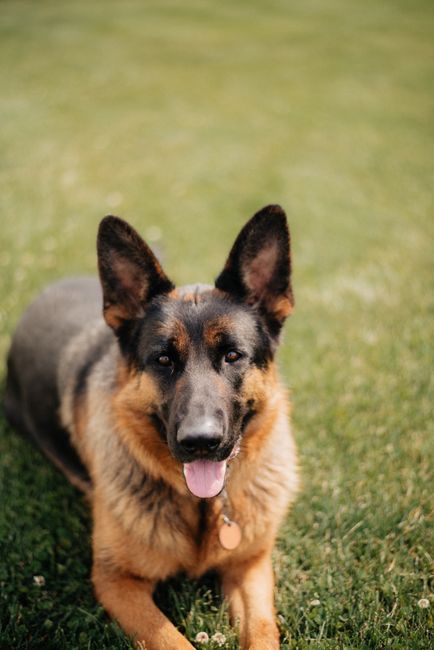
German Shepherd Behavior
Understanding German Shepherd behavior — the day-to-day patterns this breed shows — helps owners anticipate needs, prevent problems, and respond effectively.
Typical Daily Behavior
At home, a healthy German Shepherd alternates between high-engagement bursts (play, training, alerting) and rest. Expect 1.5–2 hours of activity needed daily; without it, behavior deteriorates.
Greeting Behavior
German Shepherds typically greet familiar people enthusiastically and may initially be wary or excited with strangers. Train an ‘all four on the floor’ greeting from puppyhood to prevent jumping.
Play Style
Common play styles for the German Shepherd include chase games, retrieving, and rough wrestling (with appropriate playmates). The breed’s traits — confident, courageous, intelligent — show up clearly in how they play.
Sleep and Rest
Adult German Shepherds sleep 12–14 hours a day, mostly in short blocks. Provide a quiet, comfortable sleeping space away from foot traffic.
Problem Behaviors to Watch For
Most common: pulling on leash, jumping at greetings, demand barking, and chewing during adolescence. All are normal and trainable; none are ‘just how the dog is’ if addressed early.
How to Influence Behavior
Reward what you want; manage (don’t punish) what you don’t. Pair exercise with mental work. Be consistent with rules across all family members. Excellent — one of the world’s top working breeds; used by police, military, and search-and-rescue globally, so adapt your approach to your individual dog.